

Is a T1+T2 7kA Surge Protective Device Suitable for High - Rise Buildings?
As a supplier of T1+T2 7kA surge protective devices, I've been frequently asked about the suitability of our products for high - rise buildings. In this blog post, I'll delve into the technical aspects, potential risks in high - rise buildings, and whether our T1+T2 7kA surge protective devices are the right fit.
Understanding Surge Protective Devices
Surge protective devices (SPDs) play a crucial role in protecting electrical systems from transient overvoltages, commonly known as surges. These surges can be caused by lightning strikes, switching operations in the electrical grid, or even internal electrical equipment malfunctions.
There are different types of SPDs, categorized based on their protection levels and response characteristics. T1 SPDs are designed to withstand the high - energy surges associated with direct lightning strikes. They can handle large impulse currents, such as the 10/350μs waveform, which mimics the characteristics of a direct lightning strike. On the other hand, T2 SPDs are mainly used for protecting against indirect lightning surges and switching surges. They are typically rated for the 8/20μs waveform.
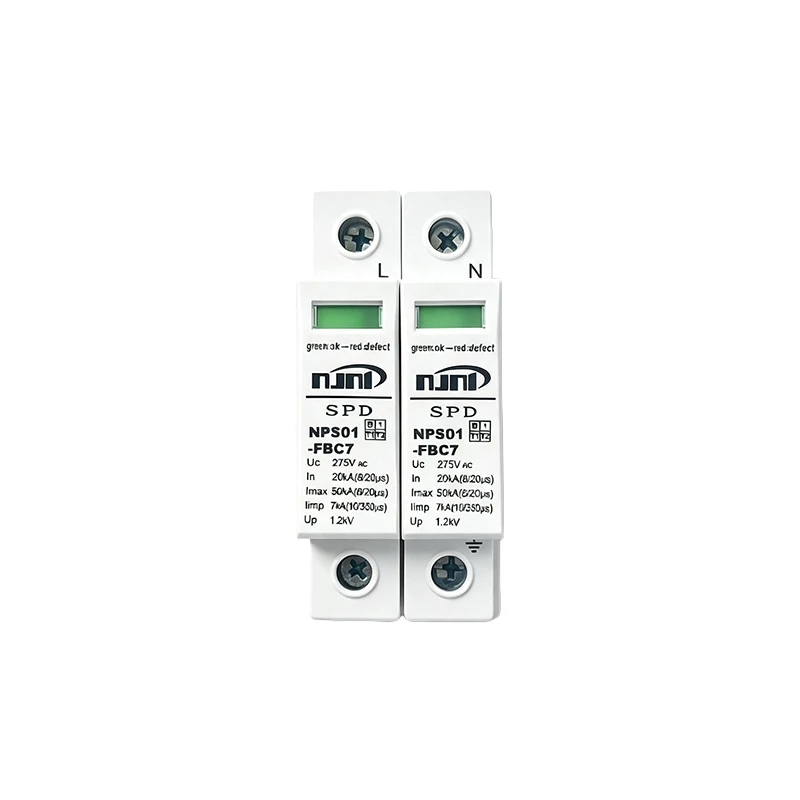
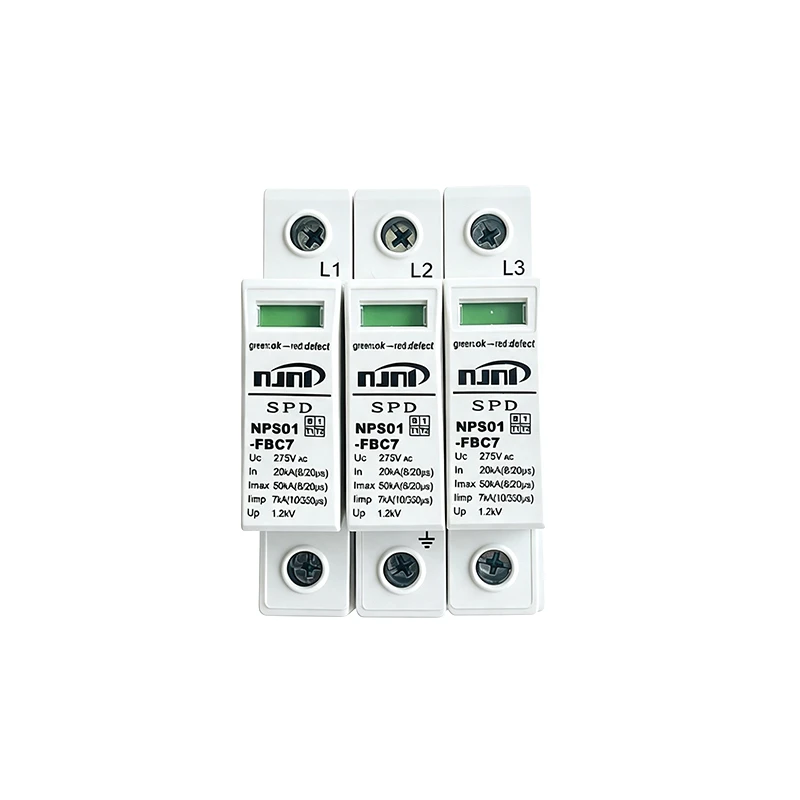
A T1+T2 7kA surge protective device combines the features of both T1 and T2 protection. The 7kA rating refers to the nominal discharge current (In) that the device can handle in a standard 8/20μs waveform.
Risks in High - Rise Buildings
High - rise buildings present unique electrical protection challenges. Due to their height, they are more likely to be struck by lightning directly. A direct lightning strike can generate an extremely high - energy surge that can damage electrical systems, electronics, and even cause fires if not properly managed.
In addition to lightning risks, high - rise buildings have complex electrical systems that involve multiple floors, numerous electrical loads, and extensive wiring networks. These systems can be vulnerable to surges caused by internal sources such as elevator operations, HVAC system startups, and other large - scale electrical equipment switching.
Furthermore, high - rise buildings often house critical infrastructure such as communication systems, data centers, and emergency power systems. Any disruption to these systems due to a surge can have serious consequences, including loss of communication, data loss, and endangerment of building occupants.
Suitability of T1+T2 7kA Surge Protective Devices for High - Rise Buildings
The suitability of a T1+T2 7kA surge protective device for high - rise buildings depends on several factors.
Lightning Protection
For direct lightning strikes, a 7kA nominal discharge current may not be sufficient on its own to handle the large energy associated with a direct hit. However, the T1 feature of the T1+T2 device can provide some level of protection against the initial impact of a lightning strike. It helps to divert a significant portion of the lightning current into the ground, reducing the stress on the electrical system.
In high - rise buildings, it is often recommended to have a multi - stage lightning protection system. The T1+T2 7kA surge protective device can be a part of the second or third stage of protection. In the first stage, a high - capacity T1 SPD with a much higher discharge current rating (e.g., 100kA or more) is typically installed at the main electrical entrance to the building. The T1+T2 7kA device can then be installed further downstream in the electrical distribution system to provide additional protection and fine - tune the voltage levels.
Protections against Indirect Surges and Switching Surges
The 7kA rating is more than adequate for protecting against indirect lightning surges and switching surges commonly found in high - rise buildings. These surges are typically of lower energy compared to direct lightning strikes. The T2 part of the T1+T2 device is designed to handle these types of surges effectively. It can quickly reduce the overvoltage to a safe level and protect the connected electrical equipment.
Our company offers a range of T1+T2 7kA surge protective devices, including the NPS01 - FBC7 AC 3+1P Surge Protective Device, NPS01 - FBC7 AC 4P Surge Protective Device, NPS01 - FBC7 AC 3P Surge Protective Device, NPS01 - FBC7 AC 1+1P Surge Protective Device, and NPS01 - FBC7 AC 2P Surge Protective Device. These devices are designed with high - quality materials and advanced technology to ensure reliable performance in high - rise building environments.
Installation Considerations
Proper installation of the T1+T2 7kA surge protective device is crucial for its effectiveness in high - rise buildings. Here are some key installation considerations:
- Location: The device should be installed as close as possible to the electrical equipment it is protecting. This helps to minimize the length of the connecting cables and reduce the risk of additional voltage drops and surges along the cable.
- Grounding: A good grounding system is essential for the proper functioning of the surge protective device. The grounding electrode should have a low resistance to ensure that the surge current can be safely diverted into the ground.
- Coordination: The T1+T2 7kA surge protective device should be coordinated with other protective devices in the electrical system, such as circuit breakers and fuses. This ensures that the device operates correctly and does not cause unnecessary tripping of other protective devices.
Conclusion
In conclusion, a T1+T2 7kA surge protective device can be a suitable component in the electrical protection system of high - rise buildings. While it may not be sufficient on its own to handle direct lightning strikes, it can provide valuable protection against indirect lightning surges and switching surges. When combined with a proper multi - stage lightning protection system and installed correctly, it can help to safeguard the electrical systems and equipment in high - rise buildings.
If you're interested in purchasing our T1+T2 7kA surge protective devices or need more information about surge protection for high - rise buildings, please feel free to reach out to us for a consultation. Our team of experts is ready to assist you in selecting the right products and designing a comprehensive surge protection solution for your specific needs.
References
- IEEE Std C62.41.2-2002, “IEEE Recommended Practice on Characterization of Surges in Low - Voltage (1000 V and Less) AC Power Circuits”
- IEC 61643 - 1:2011, “Low - voltage surge protective devices - Part 1: Surge protective devices connected to low - voltage power systems - Requirements and tests”