

Hey there! As a supplier of the NPS01 - F40 AC 3+1P Surge Protective Device, I often get asked a common question: "Can the NPS01 - F40 AC 3+1P Surge Protective Device be used in a three - phase power system?" Today, I'm gonna dig deep into this topic and share some insights with you.
First off, let's understand what a three - phase power system is. A three - phase power system is like the workhorse of many industries and large commercial buildings. It consists of three alternating currents that are out of phase with each other by 120 degrees. This setup provides a more efficient and stable way to transmit and distribute electricity compared to single - phase systems. Three - phase power is used in everything from factories with heavy machinery to commercial air - conditioning units.
Now, let's talk about surge protective devices (SPDs). Surges can occur in electrical systems due to a variety of reasons, like lightning strikes, switching operations in the power grid, or even internal electrical malfunctions. These surges can cause a significant amount of damage to electrical equipment, leading to costly repairs and downtime. That's where SPDs come in. They're designed to divert the excess voltage from a surge safely to the ground, protecting your valuable electrical gear.
The NPS01 - F40 AC 3+1P Surge Protective Device is a pretty cool piece of equipment. The "3+1" configuration means it has three lines for the phase conductors and one for the neutral conductor. This setup is specifically designed to handle the unique characteristics of a three - phase power system.
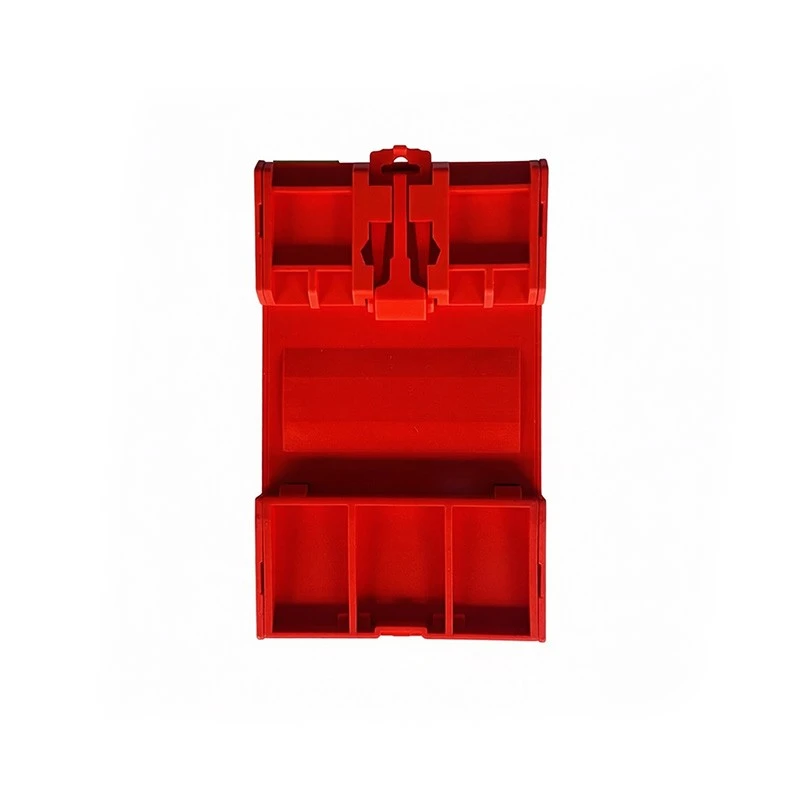
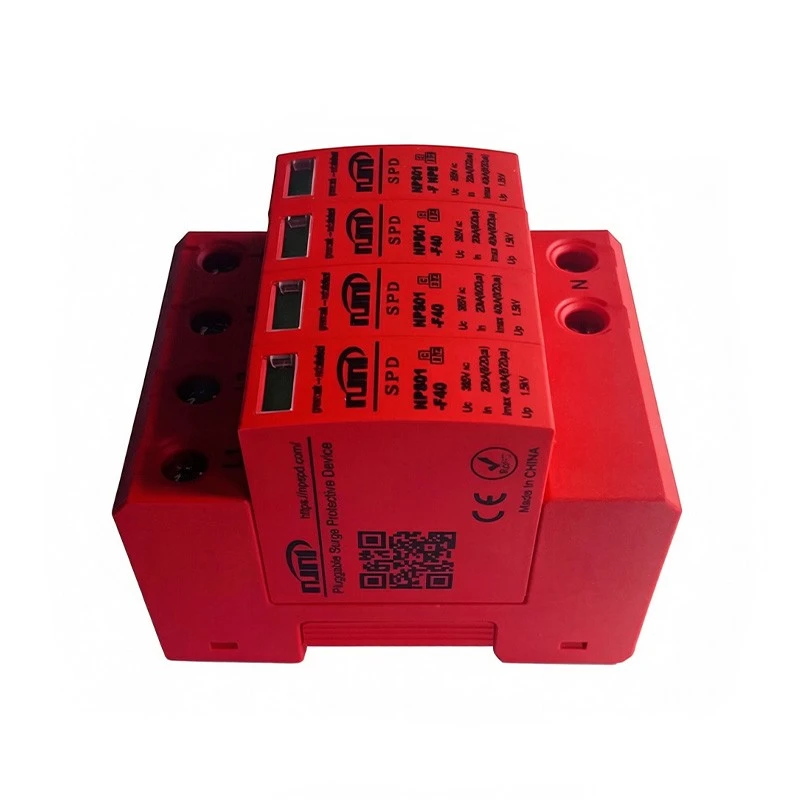
Why it Works in a Three - Phase System
- Balanced Protection: In a three - phase system, each phase can experience different surge levels. The 3+1P design of our NPS01 - F40 allows it to provide independent protection to each phase. This means that if a surge hits one phase harder than the others, the SPD can handle it without affecting the protection of the other phases.
- Neutral Protection: The neutral conductor in a three - phase system is crucial for maintaining the balance of the electrical load. A surge on the neutral can cause all sorts of problems, like voltage imbalances and equipment damage. The "1" in the 3+1P configuration is dedicated to protecting the neutral conductor, ensuring that it remains stable during a surge event.
Let's take a look at some of the features of the NPS01 - F40 AC 3+1P Surge Protective Device that make it suitable for three - phase systems:
- High Surge Current Capacity: With a 40kA discharge capacity, this SPD can handle large surges. Lightning strikes, in particular, can generate extremely high - energy surges, and the NPS01 - F40 is up to the task of diverting that energy safely away from your equipment.
- Low Voltage Protection Level: It has a low let - through voltage, which means it can quickly clamp the surge voltage to a level that won't harm your electrical devices. This is crucial in a three - phase system where many sensitive and expensive pieces of equipment are often connected.
- Reliable Performance: The NPS01 - F40 is built with high - quality components, ensuring long - term reliable performance. In a three - phase power system that runs 24/7 in many industrial and commercial settings, reliability is key.
Comparing with Other Configurations
We also offer other configurations like the NPS01 - F40 AC 3P Surge Protective Device, NPS01 - F40 AC 2P Surge Protective Device, NPS01 - F40 AC 4P Surge Protective Device, and NPS01 - F40 AC 1P Surge Protective Device. However, the 3+1P configuration is particularly well - suited for three - phase systems because of its dedicated neutral protection. The 3P might be suitable for some three - phase systems without a specific need for neutral protection, but if you want comprehensive protection for a system with a significant load on the neutral, the 3+1P is the way to go.
Installation and Maintenance
Installing the NPS01 - F40 AC 3+1P Surge Protective Device in a three - phase system is relatively straightforward, but it's important to follow the manufacturer's instructions. It usually needs to be installed as close as possible to the main electrical panel to ensure that it can quickly detect and divert surges.
Maintenance is also pretty simple. Most of these SPDs come with an indicator that shows whether the device is still functioning properly. If the indicator shows that the SPD has been damaged or has reached the end of its lifespan, it's essential to replace it immediately to ensure continuous protection.
Real - World Applications
Many of our customers in various industries have already installed the NPS01 - F40 AC 3+1P Surge Protective Device in their three - phase power systems. For example, a manufacturing plant that relies on a three - phase power supply for its production lines installed our SPDs. They had previously experienced repeated damage to their electrical motors and control systems due to power surges. After installing the NPS01 - F40 3+1P SPDs, they noticed a significant reduction in equipment failures and downtime, which resulted in cost savings and increased productivity.
In conclusion, the NPS01 - F40 AC 3+1P Surge Protective Device is definitely suitable for use in a three - phase power system. Its 3+1P configuration, high surge current capacity, low voltage protection level, and reliable performance make it an excellent choice for protecting your three - phase electrical equipment from power surges.
If you're interested in purchasing the NPS01 - F40 AC 3+1P Surge Protective Device or want to learn more about how it can protect your three - phase power system, feel free to reach out. We're here to provide you with all the information and support you need to make the right decision.
References
- Surge Protection Handbook, [Publisher's Name], [Year of Publication].
- Electrical Power Systems Engineering Textbook, [Author's Name], [Year of Publication].