

What is the maximum discharge current of a T1 15kA surge protective device?
As a supplier of T1 15kA surge protective devices, I often encounter inquiries from customers about the maximum discharge current of these devices. Understanding the maximum discharge current is crucial as it directly relates to the device's ability to protect electrical systems from surges.
Understanding Surge Protective Devices
Surge protective devices (SPDs) are essential components in modern electrical systems. They are designed to divert excessive electrical energy caused by lightning strikes, power grid fluctuations, or other transient events away from sensitive equipment. By doing so, they prevent damage to electrical appliances, electronic devices, and even the entire electrical infrastructure.
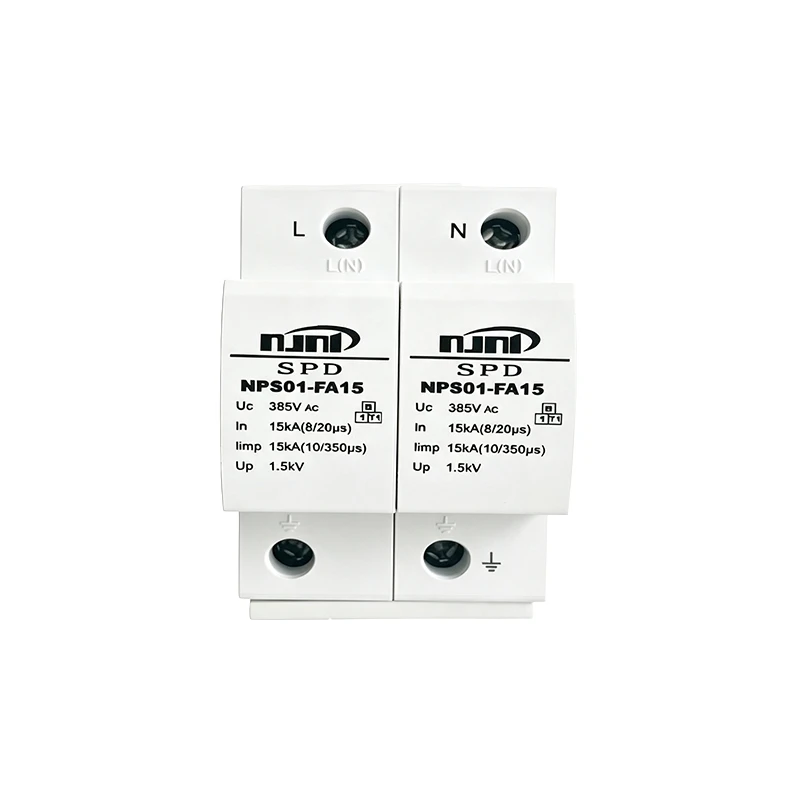
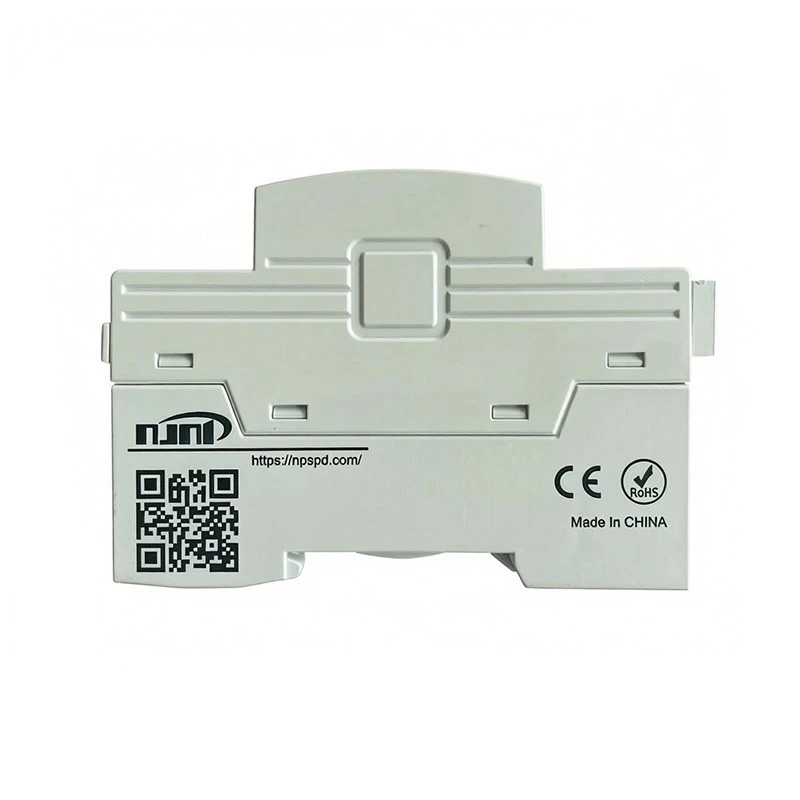
The T1 classification of surge protective devices is specifically designed to handle the high - energy surges associated with direct lightning strikes. These are the most severe type of surges that can occur in an electrical system. The parameter "15kA" in a T1 15kA surge protective device refers to a specific discharge current rating, but it is important to understand what this rating means in the context of the device's maximum discharge current.
Defining the Maximum Discharge Current
The maximum discharge current of a surge protective device is the highest amount of current that the device can safely conduct to the ground during a surge event without being damaged or losing its effectiveness. In the case of a T1 15kA surge protective device, the "15kA" is usually related to the impulse current of the first - stage protection level.
This 15kA rating is typically specified under certain standard test conditions, such as the 10/350μs waveform. The 10/350μs waveform is used to simulate the high - energy current pulse of a direct lightning strike. When a T1 15kA surge protective device is tested with a 10/350μs waveform, it should be able to conduct up to 15kA of current without failing.
However, the maximum discharge current might not be limited to just this 15kA value under all circumstances. In some cases, the device may be able to handle higher currents for a very short period, but this can significantly reduce its service life. For example, if a 15kA device is exposed to a 20kA surge current, it may still function during that single event, but repeated exposure to such high - over - rated currents will cause internal components to degrade faster.
Factors Affecting the Maximum Discharge Current
There are several factors that can influence the actual maximum discharge current that a T1 15kA surge protective device can handle:
- Device Design and Construction: The internal components, such as the varistors or gas discharge tubes, play a crucial role. High - quality components with better thermal and electrical properties can handle higher currents. Our company uses advanced manufacturing techniques and high - performance materials to ensure that our T1 15kA surge protective devices can perform well under challenging conditions.
- Temperature: Elevated temperatures can reduce the device's ability to handle current. As the temperature rises, the electrical resistance of the internal components may change, affecting their performance. Our surge protective devices are designed with proper heat dissipation mechanisms to minimize the impact of temperature on the maximum discharge current.
- Number of Surge Events: Repeated exposure to surges can gradually degrade the device. Each time a surge is discharged, there is some wear and tear on the internal components. Therefore, the more surges a device experiences, the lower its maximum discharge current capacity may become over time.
Our T1 15kA Surge Protective Devices
We offer a range of T1 15kA surge protective devices, including the NPS01 - FA15 AC 4P Surge Protective Device, NPS01 - FA15 AC 1P Surge Protective Device, NPS01 - FA15 AC 3P Surge Protective Device, and NPS01 - FA15 AC 2P Surge Protective Device. These devices are rigorously tested to meet international standards and provide reliable protection against surges.
Our T1 15kA surge protective devices are designed to have a stable maximum discharge current performance. They are built with high - grade materials and advanced technology to ensure that they can handle the specified 15kA 10/350μs impulse current without any issues. Additionally, we continuously conduct research and development to improve the devices' ability to withstand non - standard surge events.
Importance of Correctly Assessing the Maximum Discharge Current
Selecting a surge protective device with an appropriate maximum discharge current is vital for the safety and efficiency of an electrical system. If the maximum discharge current is too low, the device may not be able to handle a large surge, leading to damage to the protected equipment. On the other hand, if the maximum discharge current is much higher than necessary, it can result in unnecessary costs.
When designing an electrical protection system, it is important to consider the location of the system, the frequency of lightning strikes in the area, and the sensitivity of the connected equipment. For locations with a high incidence of lightning strikes, a T1 15kA surge protective device may be a suitable choice, as it provides a good balance between protection capability and cost - effectiveness.
Contact Us for Purchase and Consultation
If you are in need of T1 15kA surge protective devices for your electrical systems, we are here to help. Our team of experts can provide you with detailed information about our products, including their maximum discharge current performance under different conditions. We can also assist you in selecting the most appropriate device for your specific requirements.
Whether you are an electrical contractor, a facility manager, or an engineer involved in the design of electrical systems, we welcome you to contact us for further discussion. Our goal is to provide you with high - quality surge protection solutions that meet your needs and ensure the safety and reliability of your electrical infrastructure.
References
- IEC 61643 - 11: Low - voltage surge protective devices - Part 11: Surge protective devices connected to low - voltage power systems - Requirements and test methods.
- UL 1449: Standard for Surge Protective Devices.